Michael Maltzan Architecture
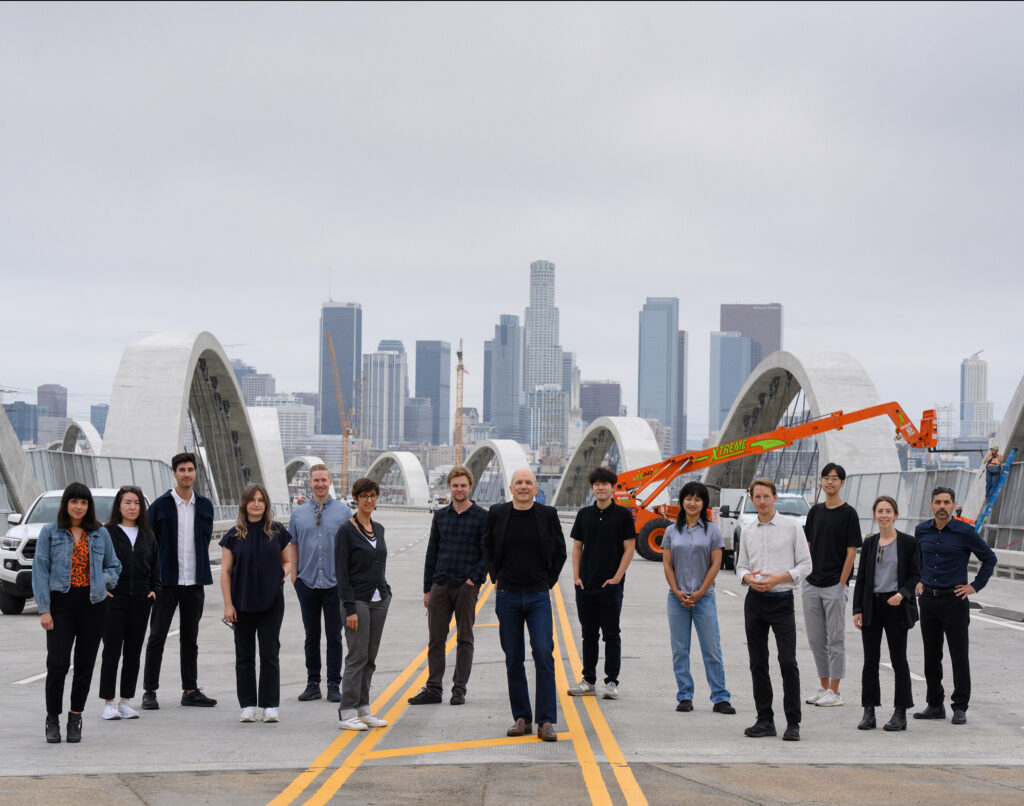
Los Angeles, United States
Founded in 1995, Michael Maltzan Architecture is an architecture practice motivated by a deep belief in its capacity to create new physical, cultural, and social connections. The portfolio spans diverse typologies from affordable housing to innovative urban infrastructure and cross-disciplinary educational spaces. Notable projects include the Los Angeles Sixth Street Viaduct, Moody Center for the Arts, MoMA QNS, and the Hammer Museum. The practice has been recognized with five Progressive Architecture awards, the Rudy Bruner Foundation’s Gold Medal for Urban Excellence, the Zumtobel Group Award for Innovations for Sustainability & Humanity in the Built Environment, and the 2025 Cooper Hewitt National Design Award in Architecture, amongst others. Projects have been featured in exhibitions worldwide, including monographic exhibitions at the Southern California Institute of Architecture, the Harvard GSD, and La Biennale di Venezia. Work is included in the permanent collections of Carnegie Museum, MoMA, LACMA, and the Art Institute of Chicago.
2025 Biennial Project

Project Overview
26 Point 2 Apartments
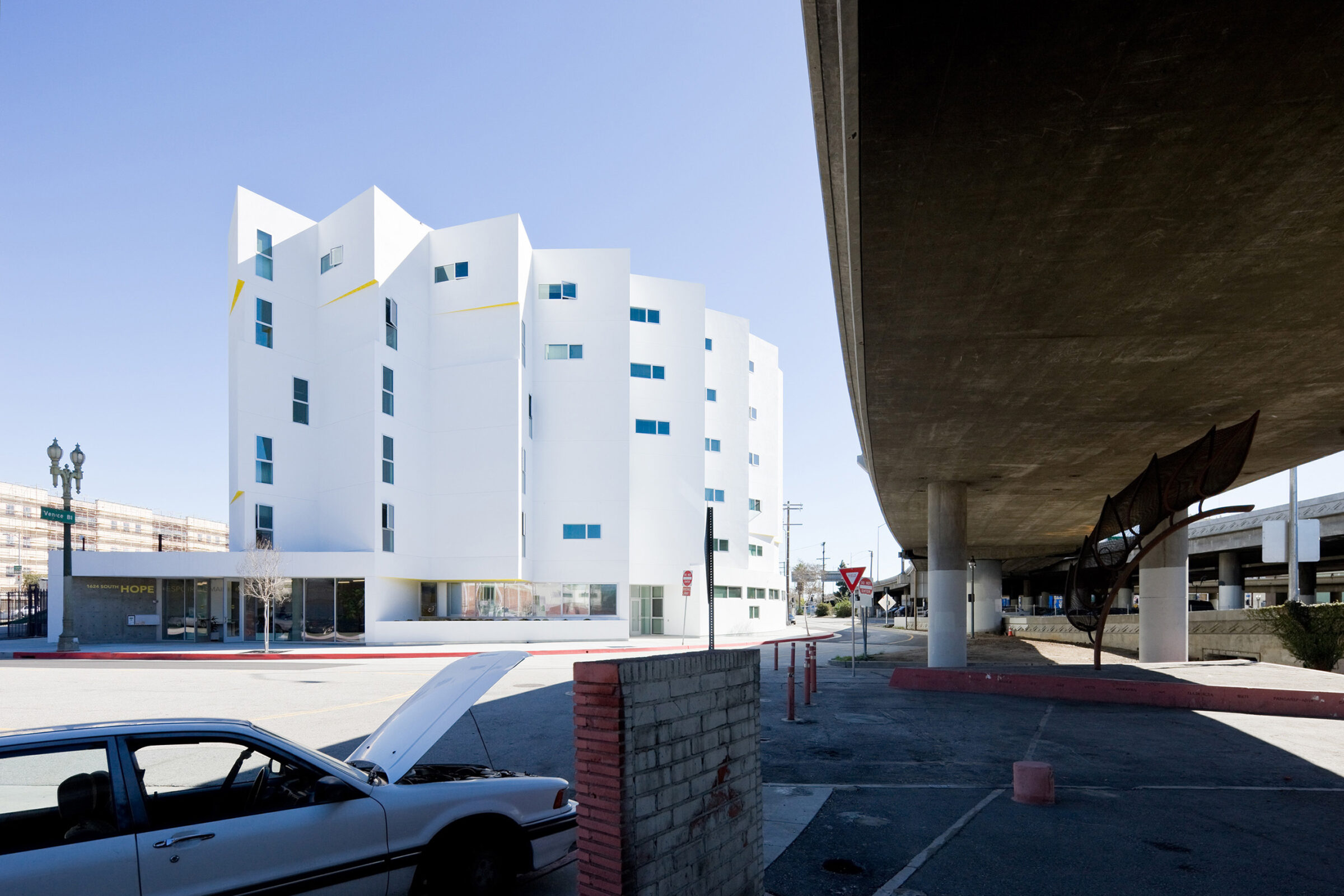
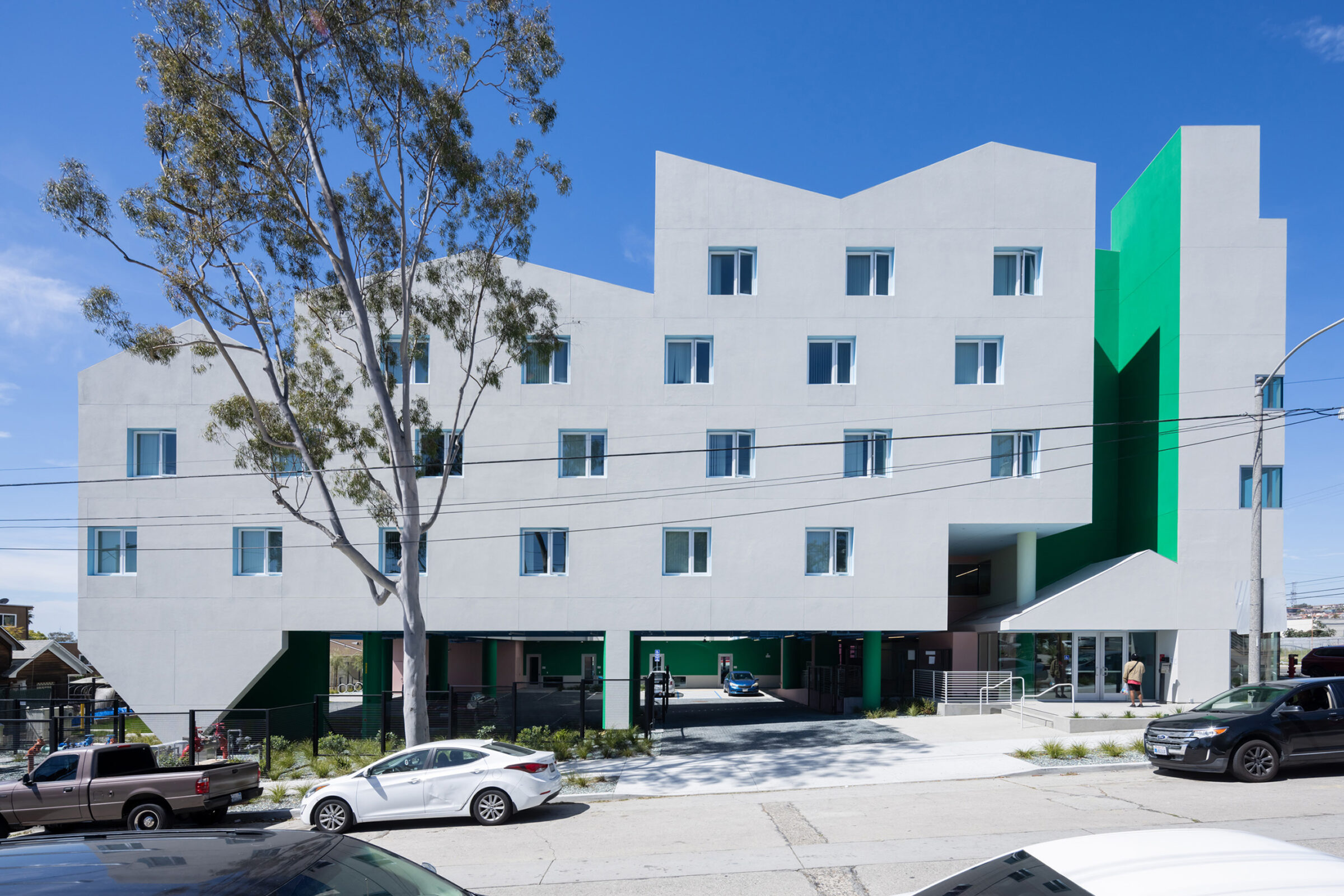
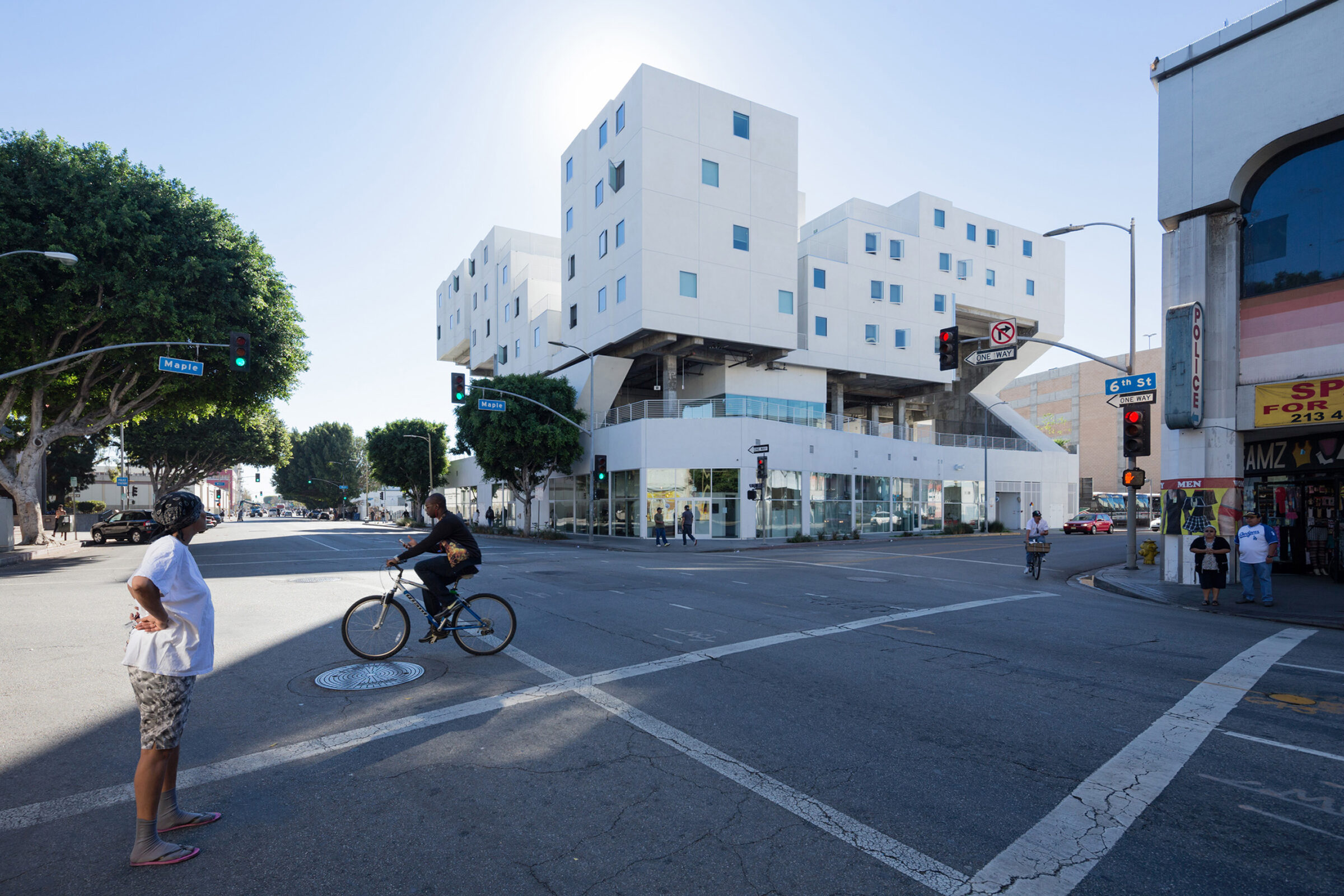
26 Point 2 Apartments responds to its surroundings by linking the residential neighborhood to the east with the commercial corridor to the north. The design balances community connection and individual privacy through a glazed street level that functions as a permeable boundary, connecting residents with the surrounding neighborhood. Amenities and a ground-level courtyard bring natural light into circulation areas and provide space for residents to gather. The courtyard’s organization is intended to foster a sense of community among a vulnerable tenant population.
Venue
View moreChicago Cultural Center
Address
78 E. Washington St., Chicago, IL 60602
Neighborhood
The Loop
Description
Completed in 1897 as Chicago’s first central library, the building was established as the Chicago Cultural Center, the nation’s first and most comprehensive free municipal cultural venue, in 1991. One of the most visited attractions in Chicago, the stunning landmark building is home to two magnificent stained-glass domes, as well as free art exhibitions, performances, tours, lectures, family activities, music, and more – presented by the City of Chicago Department of Cultural Affairs and Special Events (DCASE) and many others.
