Ignacio G. Galán, David Gissen, and Architensions (Alessandro Orsini and Nick Roseboro)
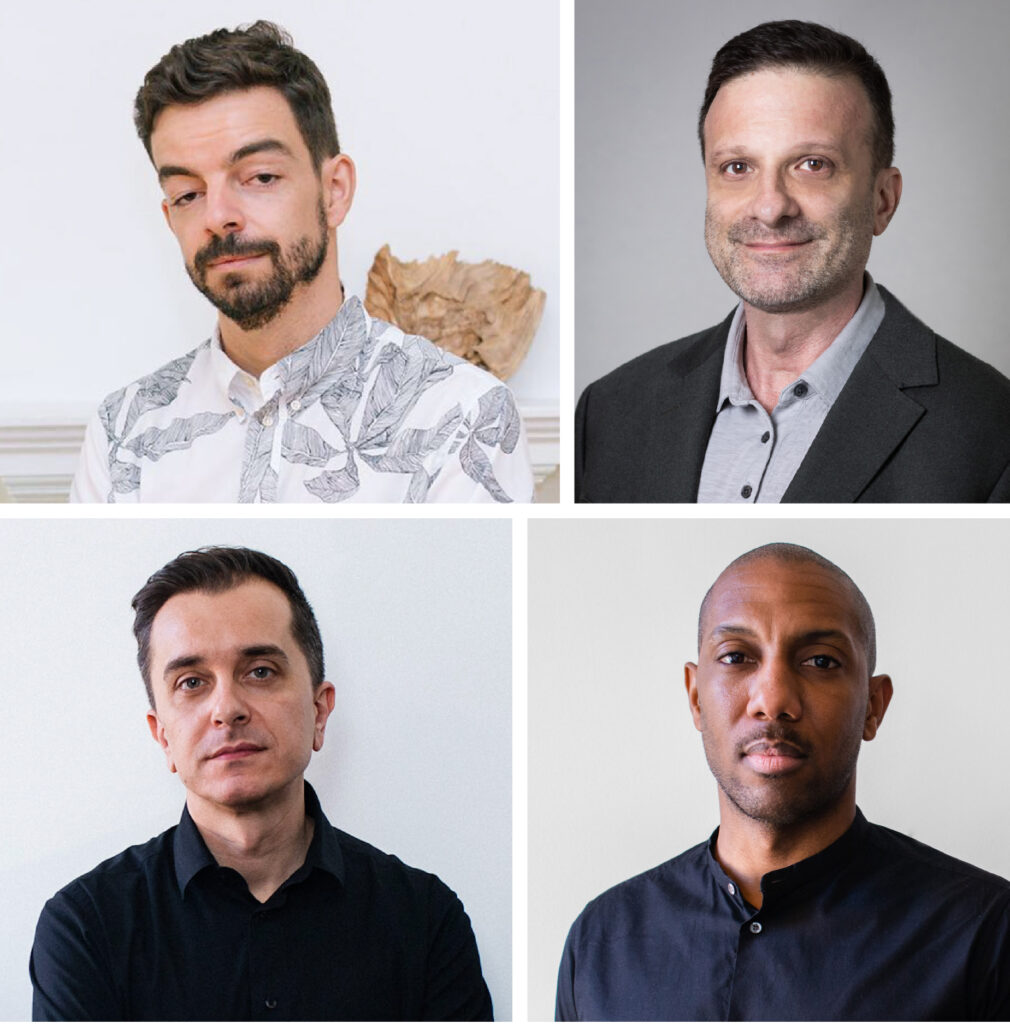
New York, United States
Ignacio G. Galán is a New York–based architect, historian, and educator at Barnard College, Columbia University. His work explores how architecture mediates power and participates in processes of inclusion and exclusion, focusing on residence, belonging, citizenship, and kinship. These themes appear in both his design projects and his scholarly and curatorial work on nationalism, colonialism, migration, and disability cultures. He is the author of Furnishing Fascism (University of Minnesota Press, 2025) and articles at the JSAH, JDH, JAE, modernism/modernity, and the Journal of Architecture, among others. He has presented his work at the Center for Architecture in New York, at the international selection of the Venice Biennale, and at the Lisbon Triennale. He has been a pre-doctoral Fellow at the Spanish Academy in Rome, a Fulbright Scholar, a MacDowell Fellow, and a Research Fellow at the CCA.
David Gissen is a historian of architecture who studies how physiological and environmental ideas are embedded in modern and late-modern architecture and design. He focuses on how architecture shapes experiences of health, stability, ability, and normality in built spaces. Through historical research, he offers critical perspectives that are useful to both scholars and designers. He is the author of four books, including The Architecture of Disability: Buildings, Cities, and Landscapes beyond Access (University of Minnesota Press, 2023) and Subnature: Architecture’s Other Environments (Princeton Architectural Press 2009). Gissen has also published numerous essays internationally. He is professor at the Yale School of Architecture and the Director of the School’s PhD program and has held academic appointments at The New School, Columbia University GSAPP, MIT, and the California College of the Arts.
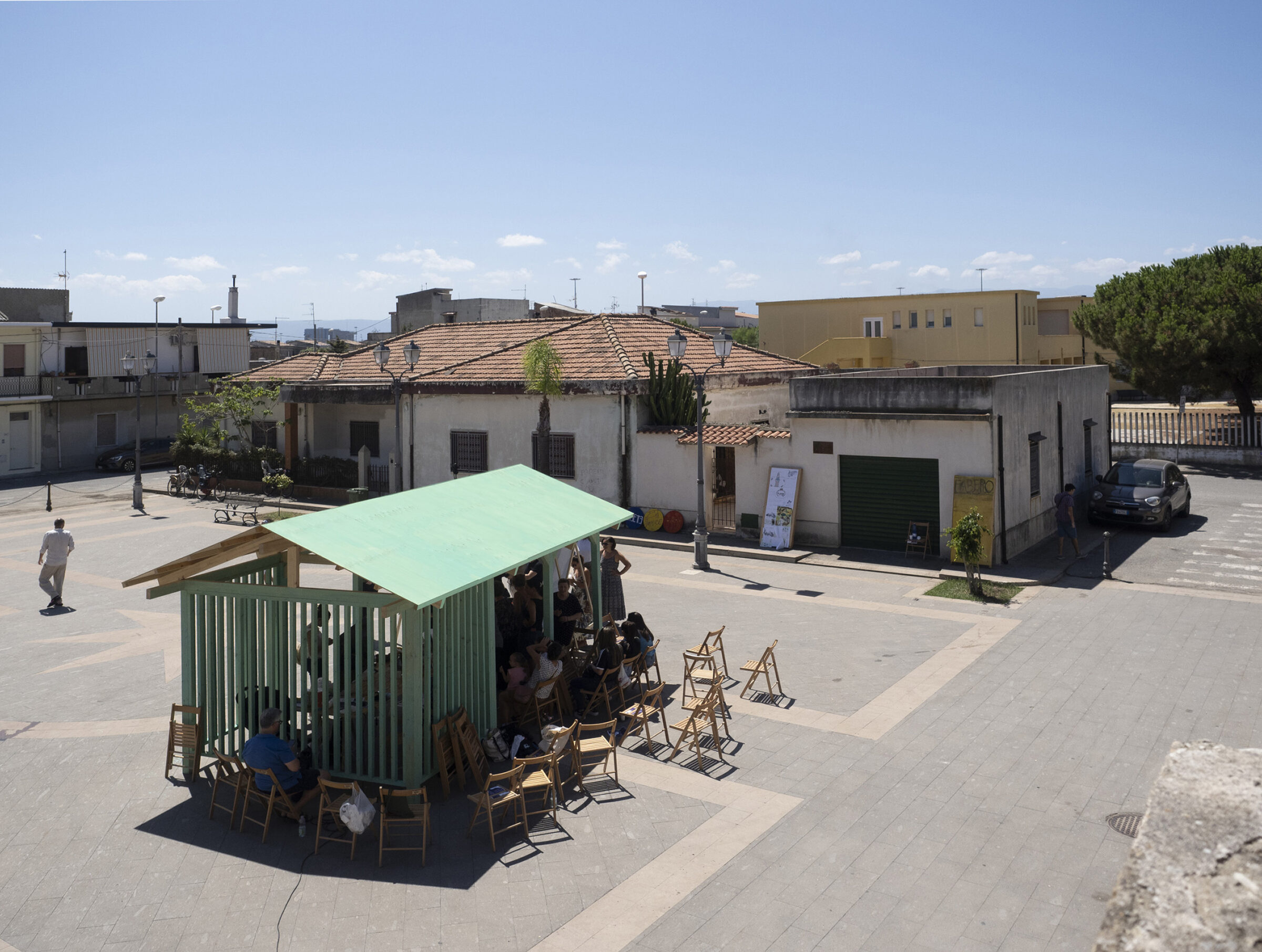
Alessandro Orsini is an architect and co-founding partner of Architensions, a Rome and New York-based research and design practice. His work explores architecture’s political, social, and environmental networks, focusing on the commons and new forms of collective living. His practice and research are linked to teaching, fostering collaborative inquiries into ecologies and spatial ontologies. Some of his projects are the San Ferdinando Vision Plan/Collective Visions Festival, a collective housing project in Yangon, Myanmar, and an ongoing intergenerational home in Senegal. His practice has been exhibited at Fondazione Pastificio Cerere (Rome), Modest Common (Los Angeles), and Java Studios (New York). Alongside practice, Alessandro teaches studios at Columbia University GSAPP and has been published internationally. Alessandro received his Master of Architecture “summa cum laude” at Roma Tre University in Rome and was a visiting scholar at Columbia University GSAPP.
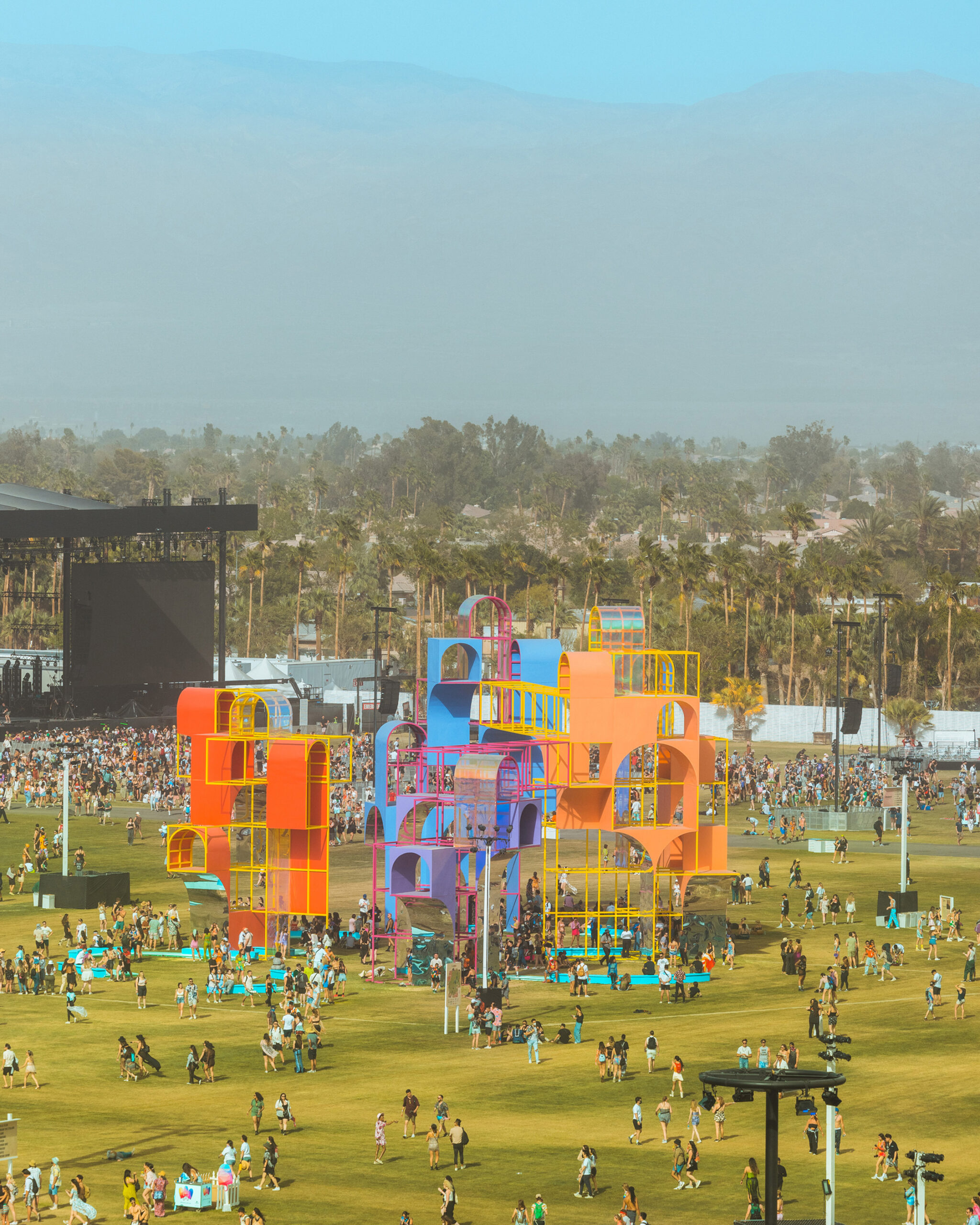
Nick Roseboro is a multidisciplinary designer, musician, educator, and co-founding partner of Rome and New York-based research and design practice Architensions. He explores multi-scalar cultural production in practice and research addressing themes such as public space, domesticity, labor, and leisure. Recent projects include The Playground for Coachella, House on House, and Decolonizing Suburbia shown at the Center for Architecture in 2022. Roseboro teaches at Sarah Lawrence College, Barnard College, and Syracuse University. He was listed in Wallpaper* USA 400, and his office is a recipient of Architectural Record’s Design Vanguard 2024. Roseboro holds a Bachelor of Fine Arts in Jazz and Contemporary Music from The New School and a Master of Science in Critical, Curatorial, and Conceptual Practices from Columbia University GSAPP.
2025 Biennial Project

Project Overview
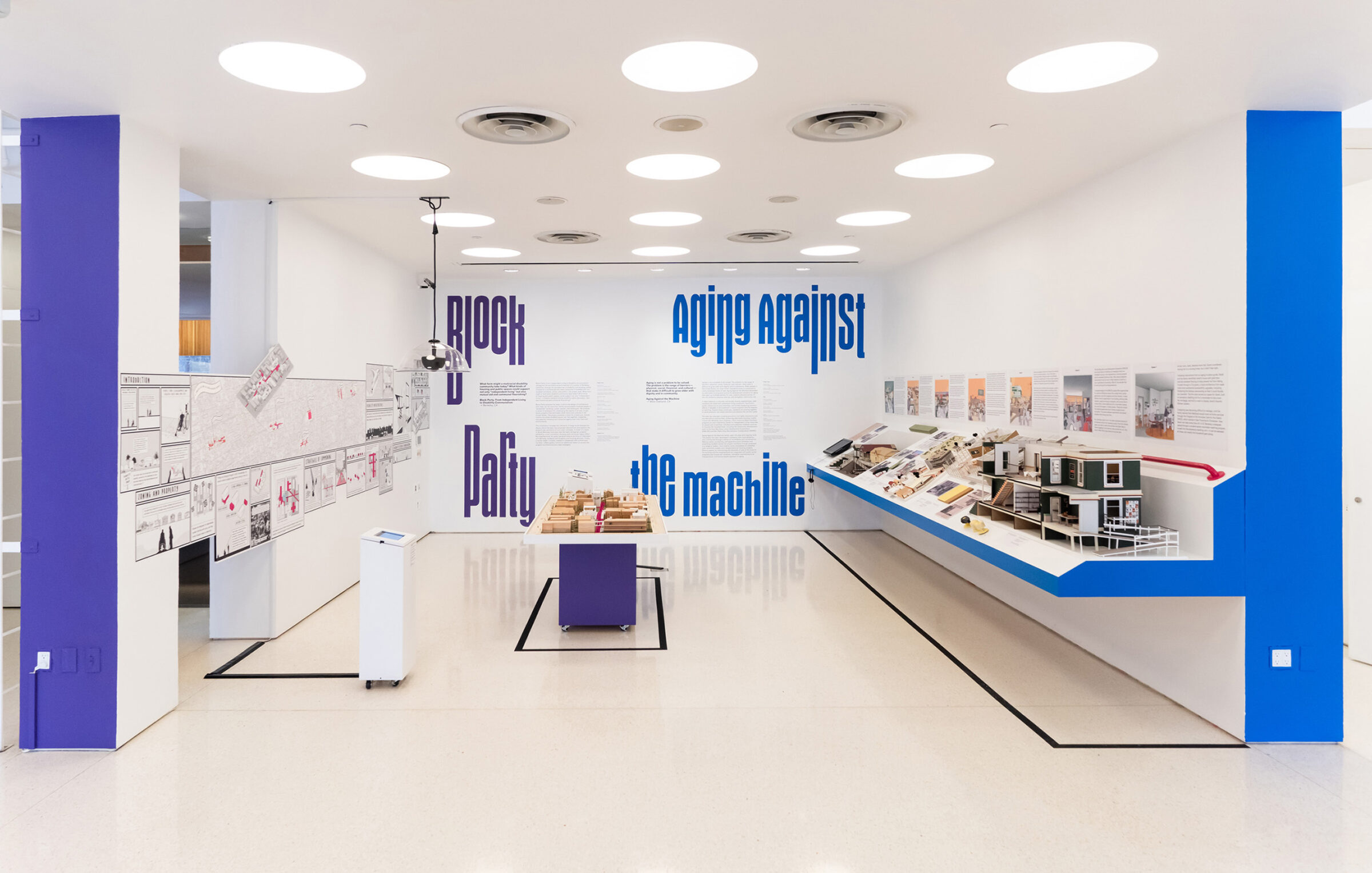
Fragments of Disability Fictions
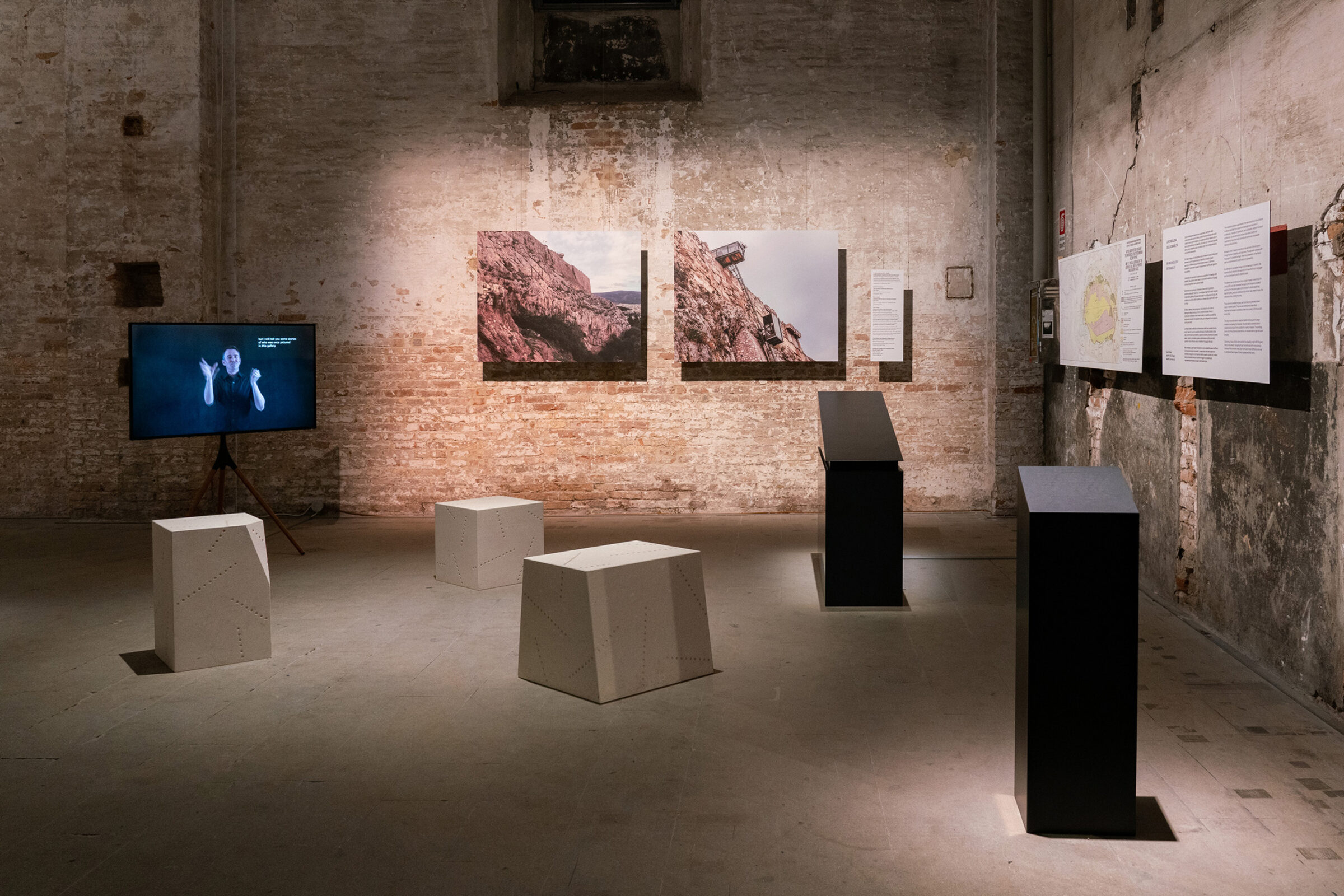
This installation reimagines New York City through the lived experiences of disabled people—past, present, and future. Using architectural models, storytelling, and interactive artifacts, it explores how disabled communities shape and adapt the city with resilience, creativity, and care.
Visitors encounter imagined future spaces, climate-adaptive structures, and fantastical tools like canes and crutches made specifically for city life. Some items can be touched, and stories are shared through sound, text, and sign language. Created with input from disabled scholars, activists, and policymakers, the installation invites us to rethink who cities are built for—and how different ways of moving through the world can lead to better futures for everyone.
Support for this installation is provided by the Yale School of Architecture; Barnard College; the Graham Foundation; The Graduate School of Architecture, Planning, and Preservation, Columbia University; and Acción Cultural Española.
Previous work

Project Overview
Venue
View moreChicago Cultural Center
Address
78 E. Washington St., Chicago, IL 60602
Neighborhood
The Loop
Description
Completed in 1897 as Chicago’s first central library, the building was established as the Chicago Cultural Center, the nation’s first and most comprehensive free municipal cultural venue, in 1991. One of the most visited attractions in Chicago, the stunning landmark building is home to two magnificent stained-glass domes, as well as free art exhibitions, performances, tours, lectures, family activities, music, and more – presented by the City of Chicago Department of Cultural Affairs and Special Events (DCASE) and many others.
