C+ arquitectas
Madrid, Spain and London, United Kingdom
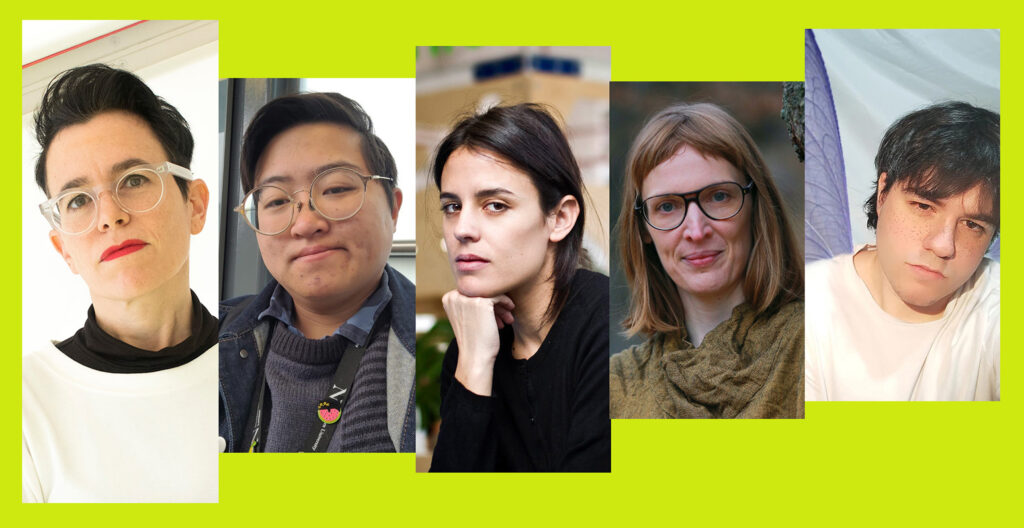
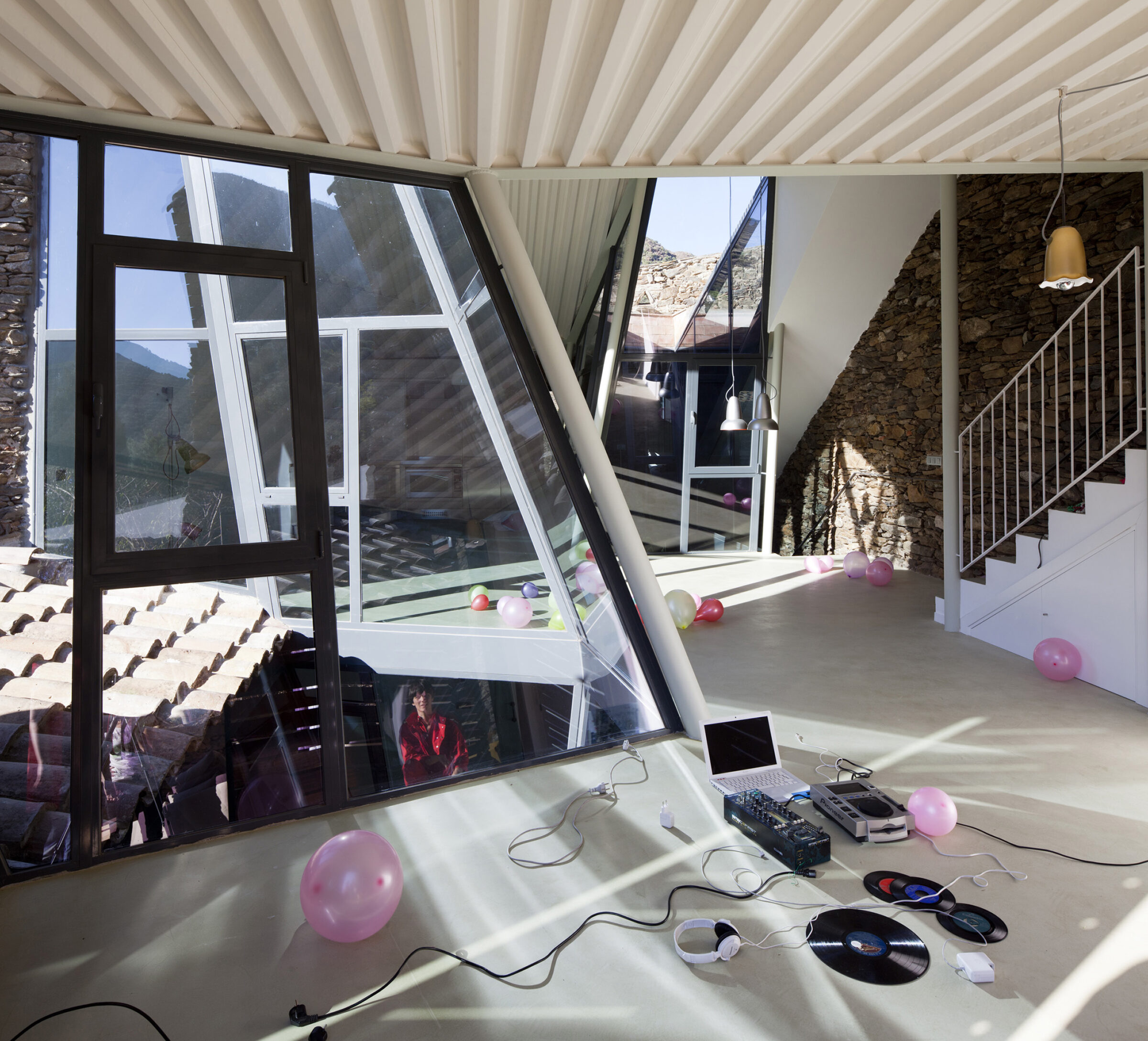
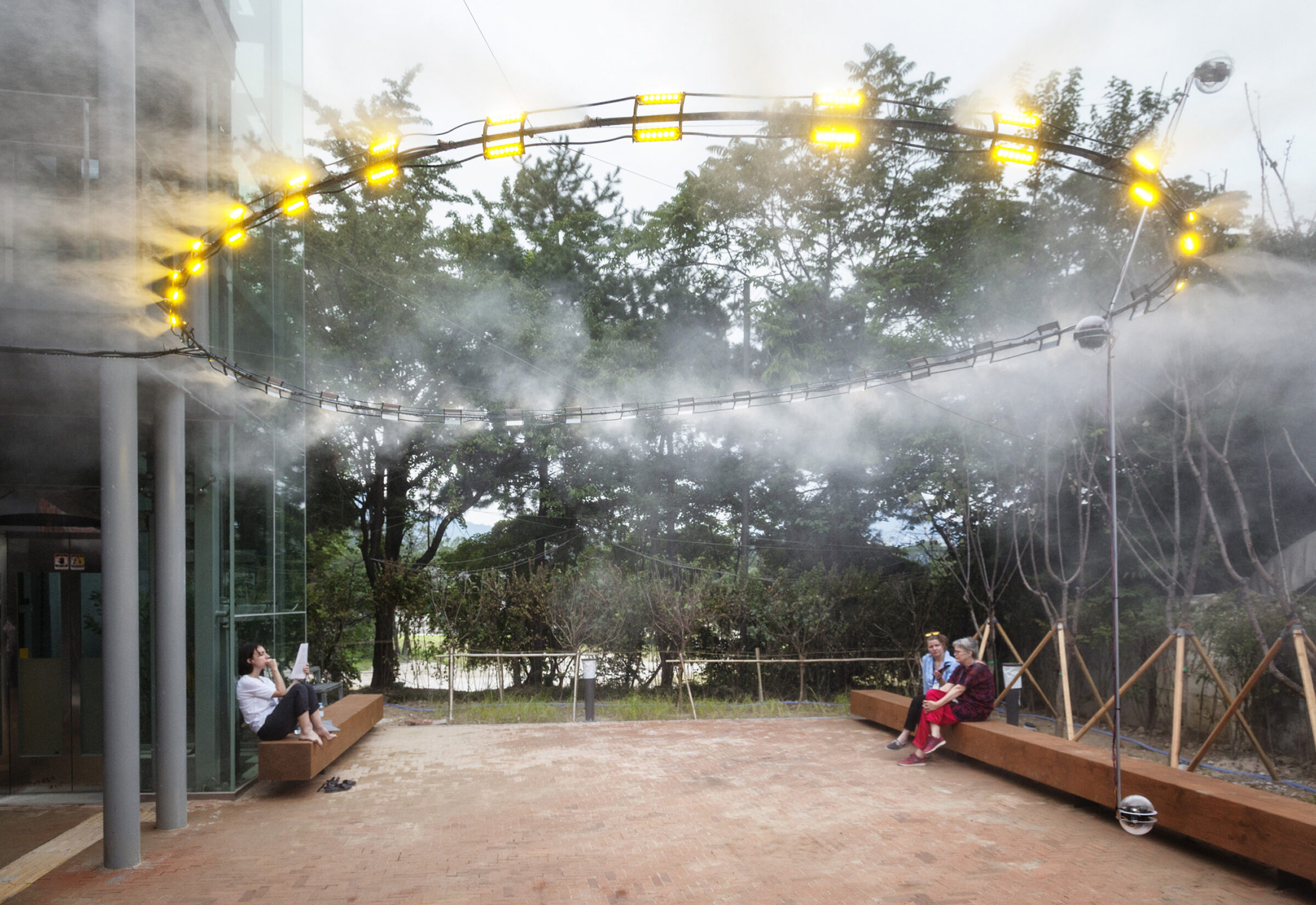
C+ arquitectas is a spatial design and research practice founded by Nerea Calvillo. Their environmental mediations, commissioned by the Royal Academy of Arts, the Seoul Biennale of Architecture and Urbanism or Madrid’s local government, explore the material, social and political entanglements of the climate crisis with the spaces we live in. Calvillo is an architect, lecturer and researcher working at the intersections between spatial design, ecological futures, environmental pollution, and feminist-queer theory and methods. She is author of Aeropolis: Queering Air in Toxic Polluted Worlds, and an associate professor at the Centre of Interdisciplinary Methodologies, Warwick. Tobi Chai, Manu Alba Montes, and María Buey González, previous C+ collaborators, and Desiree Foerster have joined C+ for Air Ecologies. Chai is a multidisciplinary artist and researcher operating across the cultural, research and human rights sectors. Alba is an architect, designer, DJ, and multidisciplinary artist. Buey is an architect working on the implications of automation and computational technologies on the built environment. Foerster is a new media arts and design researcher interested in the ways cognitive processes and practices of embodiment are taken up in the Arts.
2025 Biennial Project


Project Overview
Air Ecologies: Queering Closed Environments
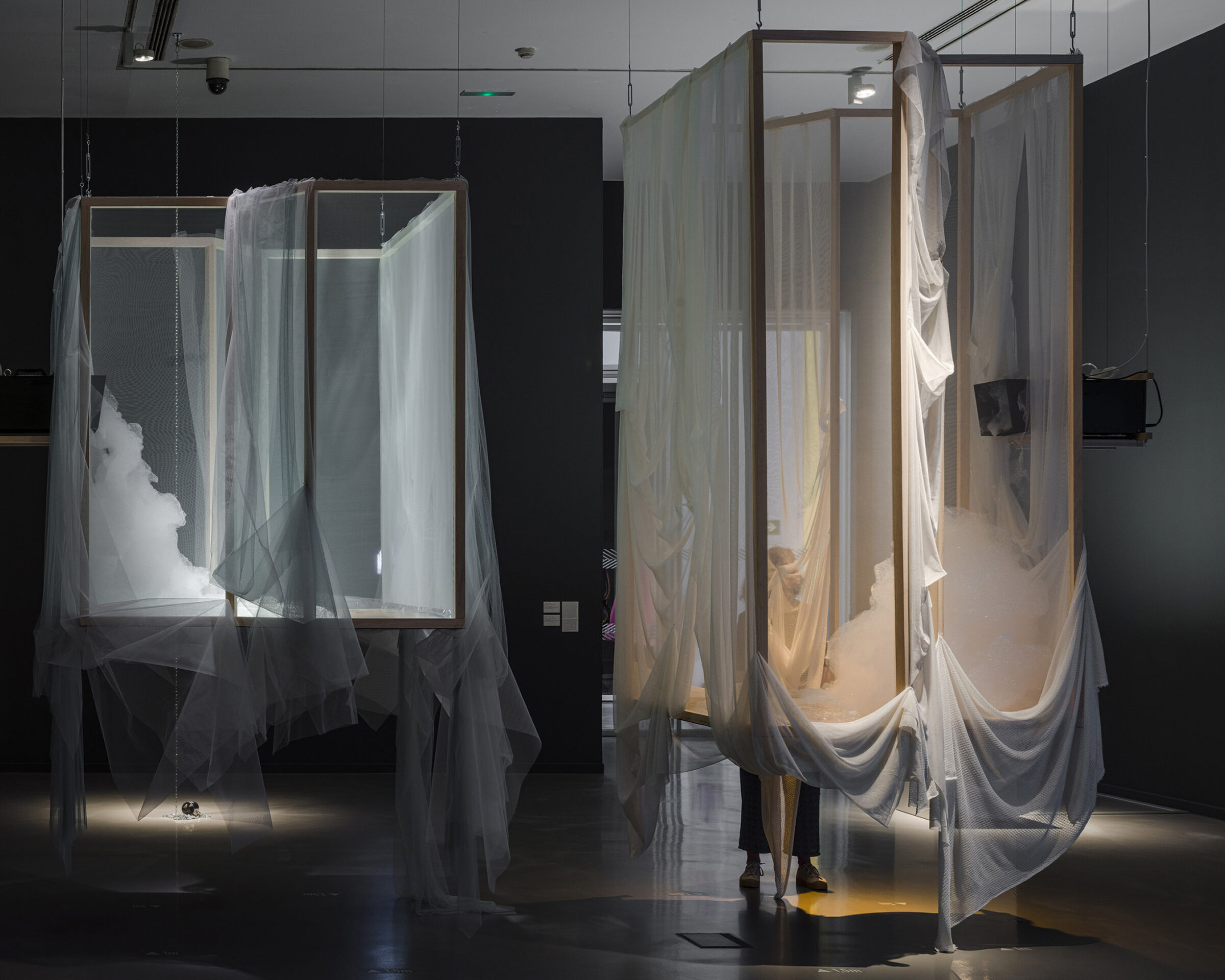
The installation presents three palludariums—vivariums that combine terrestrial and aquatic elements— filled with ferns and with water drawn from two sites in Chicago. Sealed from the outside, they reveal how emerging ecologies are composed, decomposed, and recomposed through processes such as transpiration, evaporation, respiration, reproduction, and suffocation. Over the course of the exhibition, new elements—including algae, fungi, aquatic isopods, insects, and even “rain”—will appear and disappear.
To show how enclosed environments develop differently depending on invisible organisms in the water and on subtle climatic variations in the exhibition space, water and sediments have been collected from Lake Michigan and the Chicago River—sites with distinct geographical, ecological, social, and built contexts. One palludarium has been left empty, serving as a reminder that in times of climate crisis, toxicity, and war, even basic elements such as water and plants cannot be taken for granted. Their depletion and destruction are also used as ecocidal tools to erase the livelihood of communities, as is now happening in Gaza.
The project extends beyond the exhibition through an off-site workshop, with outcomes presented at Compound Yellow.
Venue
View more840 N. Michigan Avenue
Address
840 N. Michigan Ave, Chicago, IL 60611
Description
The Biennial expands its footprint downtown with the opening of its fifth site at 840 N. Michigan Avenue, transforming more than 65,000 square feet of space on the Magnificent Mile into a dynamic hub for art, design, and dialogue.
